```html
Understanding Contaminated Land Clearance
Contaminated land clearance involves the process of identifying, assessing, and remediating land that has been polluted by hazardous substances. This is an essential task to ensure the safety of the environment and public health. The process can be complex, requiring a thorough understanding of environmental regulations and remediation techniques.
Identifying Contaminated Land
The first step in the process is to identify land that may be contaminated. This involves historical research to determine past land use, which can provide clues about potential contaminants. For example, sites previously used for industrial activities, waste disposal, or chemical storage are more likely to be contaminated.
Conducting a Site Assessment
Once a potentially contaminated site is identified, a detailed site assessment is necessary. This involves collecting soil, water, and air samples to determine the presence and concentration of hazardous substances. Environmental consultants or specialists typically carry out this task using specialized equipment and techniques.
Evaluating the Risks
After the site assessment, the next step is to evaluate the risks associated with the contamination. This involves assessing the potential impact on human health and the environment. Factors such as the type of contaminants, their concentration, and the pathways through which they can affect humans and wildlife are considered.
Developing a Remediation Plan
Based on the risk evaluation, a remediation plan is developed. This plan outlines the methods and strategies to be used to clean up the site. The plan must comply with environmental regulations and is often subject to approval by relevant authorities. It may include techniques such as soil washing, bioremediation, or excavation and disposal.
Implementing the Remediation Plan
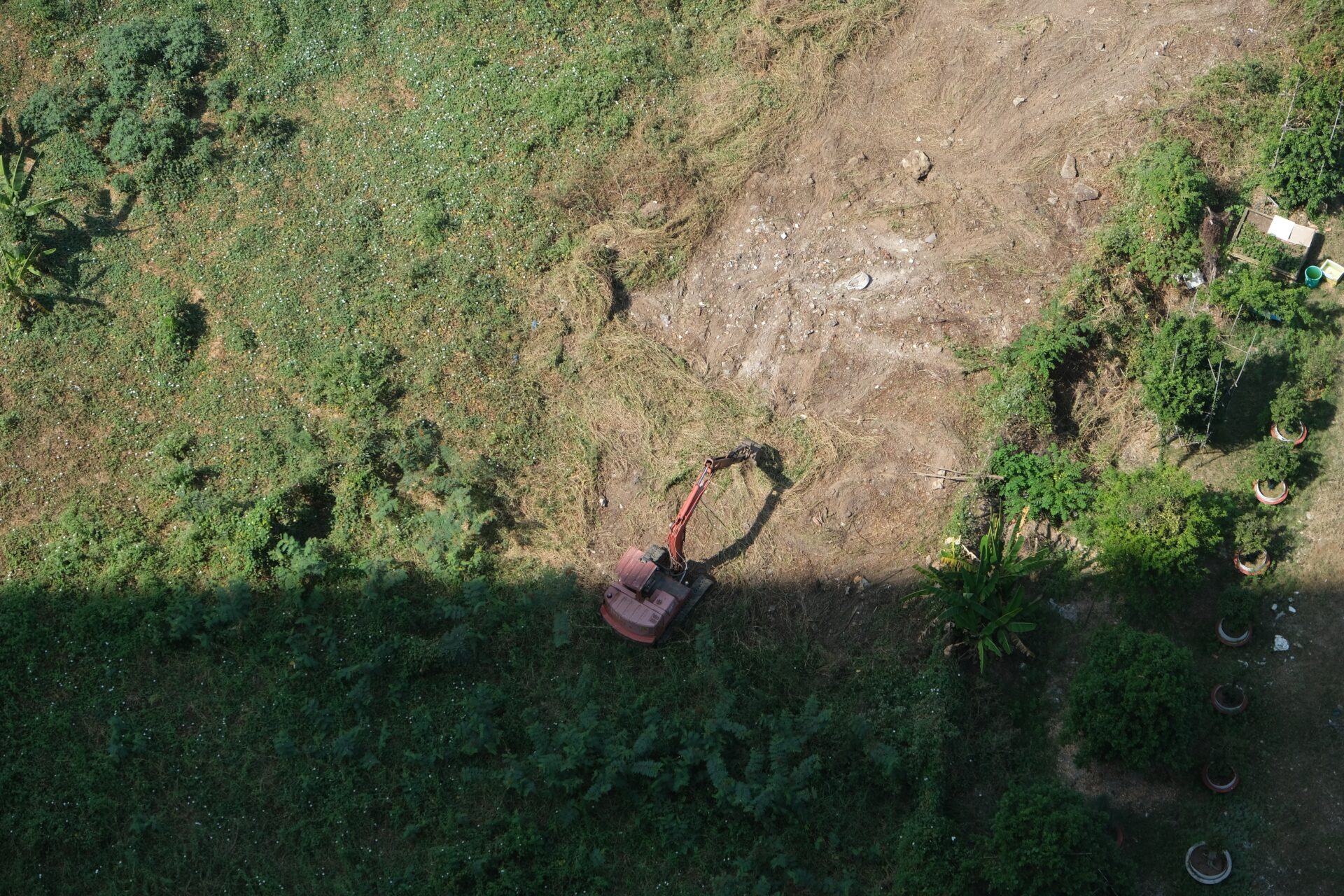
With the plan in place, the actual remediation work begins. This can involve a range of activities, from removing contaminated soil to treating polluted water. The implementation phase requires careful management to ensure that the remediation is effective and does not cause further environmental damage.
Monitoring and Verification
After remediation, ongoing monitoring is necessary to ensure that the site remains safe. This involves regular testing of soil, water, and air to detect any residual contamination. Verification is also required to confirm that the remediation objectives have been met and that the site poses no further risk.
Site Closure and Reuse
Once the site is deemed safe, it can be closed and potentially repurposed for new uses. This might involve redeveloping the land for residential, commercial, or recreational purposes. The successful clearance of contaminated land not only protects the environment but also opens up opportunities for community development and economic growth.
Challenges and Considerations
Contaminated land clearance can present several challenges, including technical difficulties, regulatory compliance, and financial constraints. It is important to work with experienced professionals who can navigate these challenges effectively. Public engagement and communication are also crucial to ensure transparency and build trust with the community.
The Importance of Contaminated Land Clearance
Clearing contaminated land is vital for protecting public health and preserving natural resources. It helps prevent the spread of pollutants and reduces the risk of exposure to hazardous substances. By restoring contaminated sites, we contribute to a healthier environment and create safer spaces for future generations.
```